
Technology

Understanding knock. Controlling combustion.

To understand how Knockless works, you first need to understand what happens inside the engine. This page explains the physics of knock, what the octane number really means and the four mechanisms behind our formulation.

Fundamentals

What is engine knock?

In normal combustion, the spark plug ignites the compressed air-fuel mixture and a flame front travels across the combustion chamber in a controlled way. Cylinder pressure rises smoothly and drives the piston down.

In knock, the unburned mixture that the flame front has not yet reached — the end gas — auto-ignites under rising pressure and temperature. This sudden ignition creates pressure waves that resonate in the combustion chamber at 5–20 kHz. When audible, it is heard as a metallic “pinging” or “knocking”.

Sustained knock can cause piston-crown erosion, cracked ring lands, head-gasket damage and, in extreme cases, severe engine failure. Modern engines are therefore fitted with knock sensors: when knock is detected, the engine management system retards ignition timing. The engine is protected — but power and efficiency fall.

Normal combustionKnocking combustion
Cylinder pressure during normal and knocking combustion In normal combustion the pressure curve forms a smooth peak. In knocking combustion, high-frequency pressure oscillations appear after the peak. 0153045607590-30-15015304560 TDC Knock: pressure oscillations (5–20 kHz) CRANK ANGLE [°CA] CYLINDER PRESSURE [bar]
Schematic illustration. Cylinder pressure versus crank angle: in knocking combustion, high-frequency pressure oscillations follow the pressure peak.

Octane number

RON and MON: two tests, two conditions.

The octane number expresses a fuel’s knock resistance by comparison with reference blends of iso-octane (100) and n-heptane (0). It is measured in a standardised single-cylinder CFR test engine. In Europe and Türkiye, the figure displayed at the pump is the RON.

ParameterRON — Research Octane NumberMON — Motor Octane Number
StandardEN ISO 5164 · ASTM D2699EN ISO 5163 · ASTM D2700
Engine speed600 min⁻¹900 min⁻¹
Intake / mixture temperature52 °C (intake air)149 °C (mixture)
Test severityMild — low speed, part-load characterSevere — high temperature, high-load character
RepresentsAcceleration and urban drivingHigh speed and sustained load

The difference between RON and MON is called “sensitivity” (S = RON − MON). In North America, the pump displays the average (RON + MON) / 2, known as the AKI.

How Knockless works

Four mechanisms. One result: controlled combustion.

The effect of Knockless comes not from a single ingredient, but from the balance of four complementary functions.

01

Octane enhancement

Octane-improving components slow the chemical pre-reactions in the unburned mixture ahead of the flame front (the end gas). The mixture therefore does not auto-ignite before the flame arrives, and combustion completes in a controlled manner.
02

Knock and run-on protection

Higher knock resistance helps prevent knocking, pinging and run-on — post-ignition from hot spots after the ignition has been switched off.

03

Deposit control

Combustion-chamber and valve deposits can increase an engine’s octane requirement by several RON over time (ORI — octane requirement increase). Cleaning components protect injectors and combustion chambers; cleaner combustion contributes to lower harmful exhaust emissions.

04

Wear protection

The formulation helps protect engine components against wear, including valve seats.

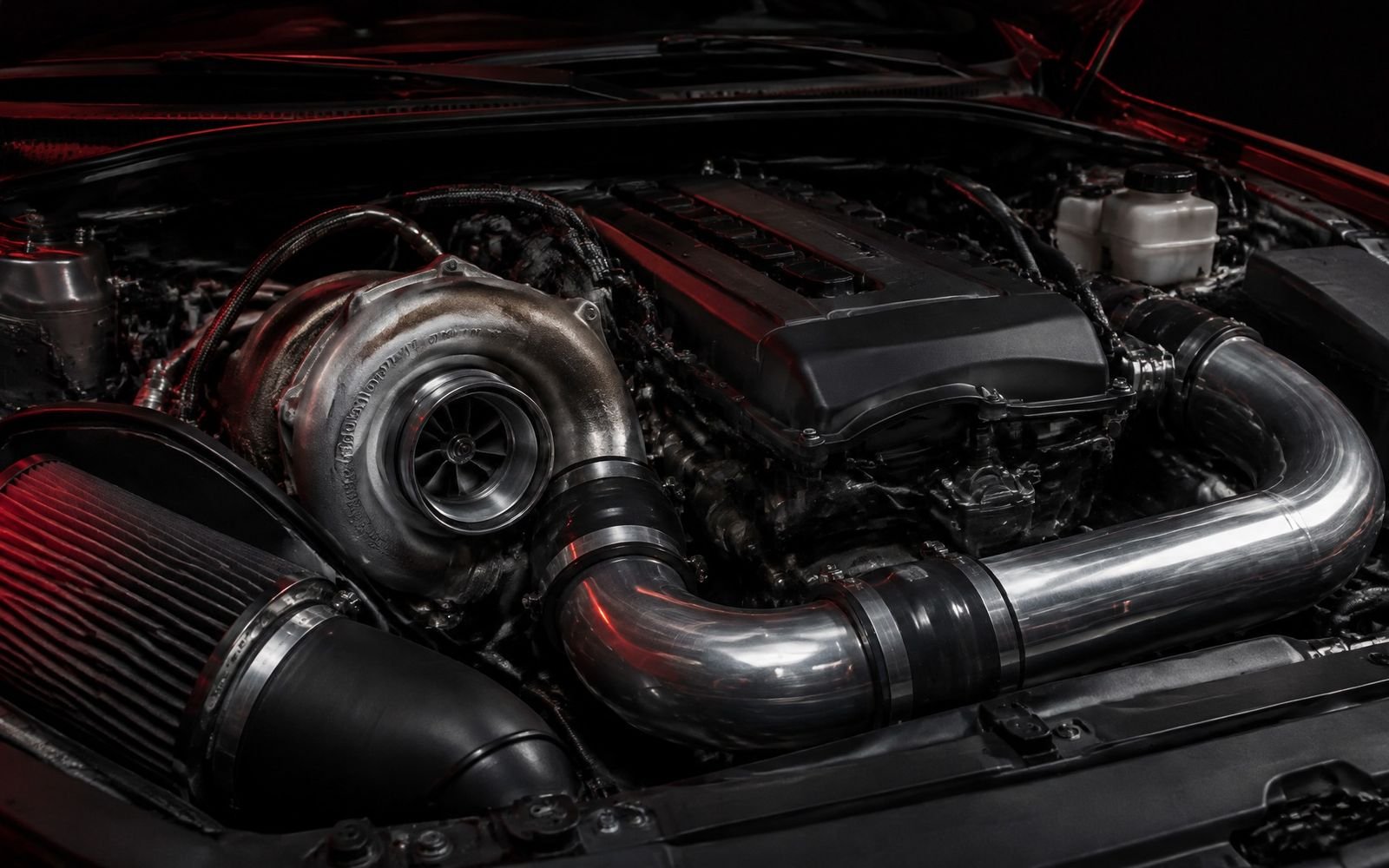
Turbocharged gasoline engine

Engine management

Works with your engine management.

A modern engine adjusts ignition timing every cycle based on signals from its knock sensors. When the fuel’s knock resistance increases, the system can hold ignition closer to its optimum point (MBT). The result: more consistent torque under load, sharper throttle response and more efficient combustion.

An honest note: in an engine that already has an adequate knock margin on its current fuel, Knockless provides additional safety margin rather than measurable extra power. The benefit becomes clear under high temperatures, heavy load, track use or variable fuel quality.

Formulation

The formula at a glance.

A self-mixing, hydrocarbon-based formula that is added directly to the tank and works immediately with the treated fuel.

RON

+3

Approximately 3 points; up to 8 points in low-grade fuel.

DOSE

300 ml

For approximately 40–50 litres of gasoline.

BASIS

Hydrocarbon

Mixes with petrol evenly and by itself.

SHELF LIFE

24 months

From the date of production.

Have a technical question?

Our application team is ready to answer questions specific to your vehicle, engine and operating conditions.